
Quick Tips to Train for a 50km Ultramarathon
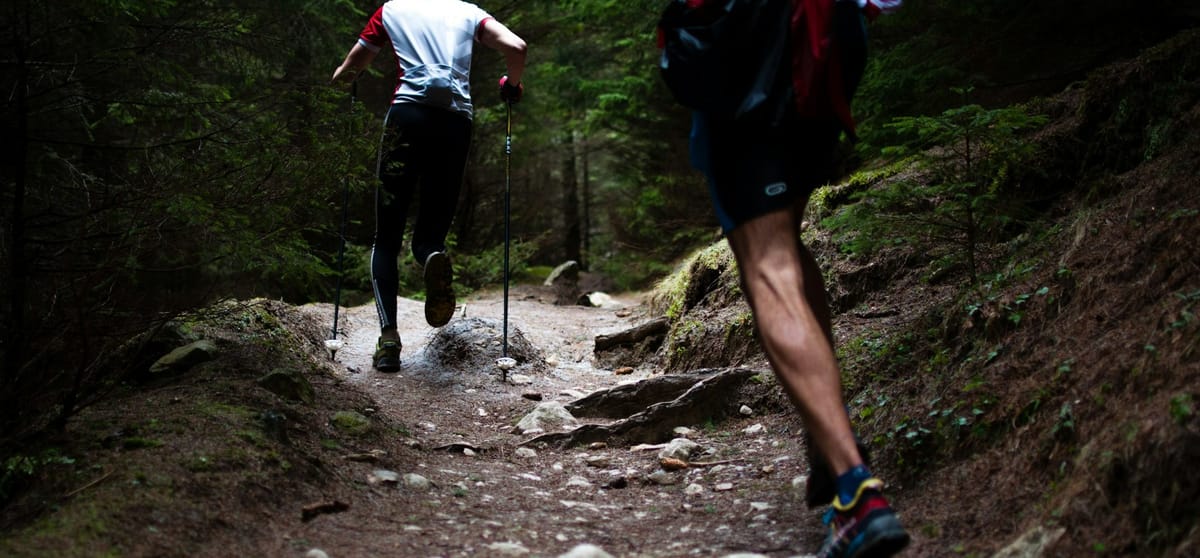
Training for a 50km ultramarathon isn’t about being fast - it’s about being durable.
If you can consistently run, manage fatigue, and fuel properly, a 50km ultra is achievable for far more runners than most people realise. This guide breaks down how to train without overcomplicating things.
What Makes a 50km Ultra Different?
A 50km race sits in a unique space:
- Long enough to require endurance discipline
- Short enough that you don’t need extreme weekly mileage
- Often includes elevation, trails, or mixed terrain
The goal is time on feet, not pace.
How Much Weekly Mileage Do You Need?
Most runners can finish a 50km on:
- 40–70 km per week at peak
- Consistent running across 4–6 days
- One long run each week
You don’t need 100 km weeks unless you’re chasing podiums.
The Long Run Is the Cornerstone
Your long run teaches:
- Muscular endurance
- Mental resilience
- Fuel tolerance
Key principles:
- Build gradually
- Run it slower than marathon pace
- Practice eating and drinking
A 28–35 km long run is sufficient for most first-time runners.
Back-to-Back Runs (Optional, Not Mandatory)
Back-to-back runs simulate fatigue without huge single-day stress.
Example:
- Saturday: 24 km easy
- Sunday: 14 km very easy
These are useful but not essential for a first 50km.
Strength and Hills Matter
Trail ultras reward:
- Strong glutes
- Calves and Achilles durability
- Downhill resilience
Short hill sessions and basic strength work outperform endless flat miles.
Nutrition: Keep It Simple
Practice fueling early:
- Start eating within 30–45 minutes
- Aim for small, regular intake
- Train your gut just like your legs
Consistency beats perfection.
Tapering for Race Day
Reduce volume, not frequency:
- 2 weeks out: reduce long run
- 1 week out: stay sharp but short
Arrive rested, not flat.
The Biggest Mistake New Ultra Runners Make
Doing too much too soon.
Ultras reward patience. Your body adapts slowly — give it time.
Final Thought
A 50km ultramarathon isn’t about toughness - it’s about preparation. Train consistently, respect recovery, and the distance will take care of itself.


